















在Instagram上关注我们
不仅仅是一家户外用品公司

@sawyerproducts
Follow us on Instagram









The grossest ticks, the diseases they transmit, and how keep them from sucking your blood and making you sick.
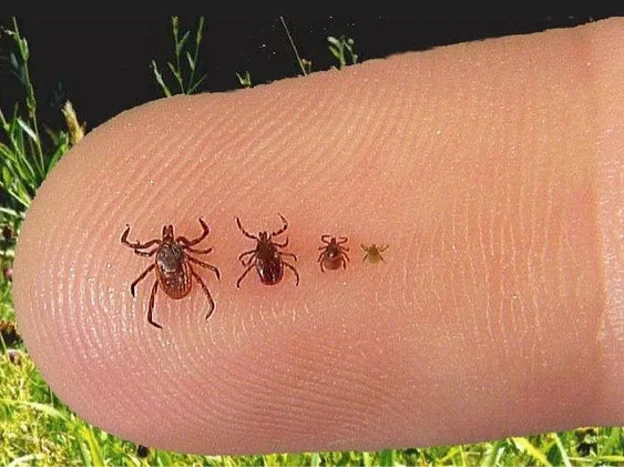
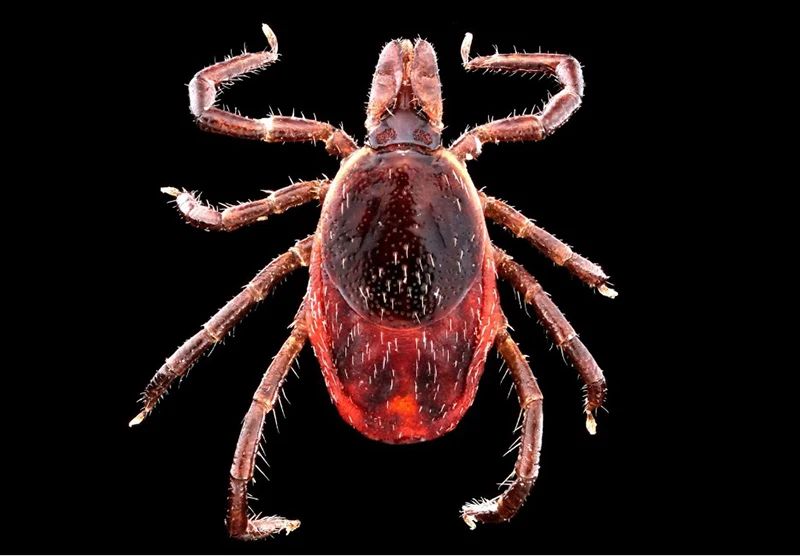
Watch videoHere’s a bar-bet winner for you: Ticks are not insects. They are, rather, arachnids, just as spiders and scorpions are. If pressed, just say that an arachnid is a kind of arthopod. (If really pressed, say that an arthopod is any invertebrate of the phylum Arthropoda. That ought to shut anybody up.) Any one who lives in an area that gets warm and humid at any time of the year, is going to find ticks. They have been with us since the late Cretaceous period, about 120 million years. The earliest tick fossil is preserved in New Jersey amber. It between 90 and 94 million years old.
Ticks are little vampires. They must drink blood to survive. And they’re very patient. A tick seeks its host by crawling up brush or a blade of grass and hanging out there with its front legs splayed in the air, just waiting for a warm-blooded critter to pass by. Then it latches on and feeds. This process is known as questing. While most biting pests—like mosquitoes—take a bite and move on, a tick buries its curved teeth into a host and stays there for days.
Continue reading to learn more about ticks, written by Bill Heavey.

Here’s a bar-bet winner for you: Ticks are not insects. They are, rather, arachnids, just as spiders and scorpions are. If pressed, just say that an arachnid is a kind of arthopod. (If really pressed, say that an arthopod is any invertebrate of the phylum Arthropoda. That ought to shut anybody up.) Any one who lives in an area that gets warm and humid at any time of the year, is going to find ticks. They have been with us since the late Cretaceous period, about 120 million years. The earliest tick fossil is preserved in New Jersey amber. It between 90 and 94 million years old.
Ticks are little vampires. They must drink blood to survive. And they’re very patient. A tick seeks its host by crawling up brush or a blade of grass and hanging out there with its front legs splayed in the air, just waiting for a warm-blooded critter to pass by. Then it latches on and feeds. This process is known as questing. While most biting pests—like mosquitoes—take a bite and move on, a tick buries its curved teeth into a host and stays there for days.
Continue reading to learn more about ticks, written by Bill Heavey.
Here’s a bar-bet winner for you: Ticks are not insects. They are, rather, arachnids, just as spiders and scorpions are. If pressed, just say that an arachnid is a kind of arthopod. (If really pressed, say that an arthopod is any invertebrate of the phylum Arthropoda. That ought to shut anybody up.) Any one who lives in an area that gets warm and humid at any time of the year, is going to find ticks. They have been with us since the late Cretaceous period, about 120 million years. The earliest tick fossil is preserved in New Jersey amber. It between 90 and 94 million years old.
Ticks are little vampires. They must drink blood to survive. And they’re very patient. A tick seeks its host by crawling up brush or a blade of grass and hanging out there with its front legs splayed in the air, just waiting for a warm-blooded critter to pass by. Then it latches on and feeds. This process is known as questing. While most biting pests—like mosquitoes—take a bite and move on, a tick buries its curved teeth into a host and stays there for days.
Continue reading to learn more about ticks, written by Bill Heavey.
不仅仅是一家户外用品公司

