













在Instagram上关注我们
不仅仅是一家户外用品公司

@sawyerproducts
Follow us on Instagram












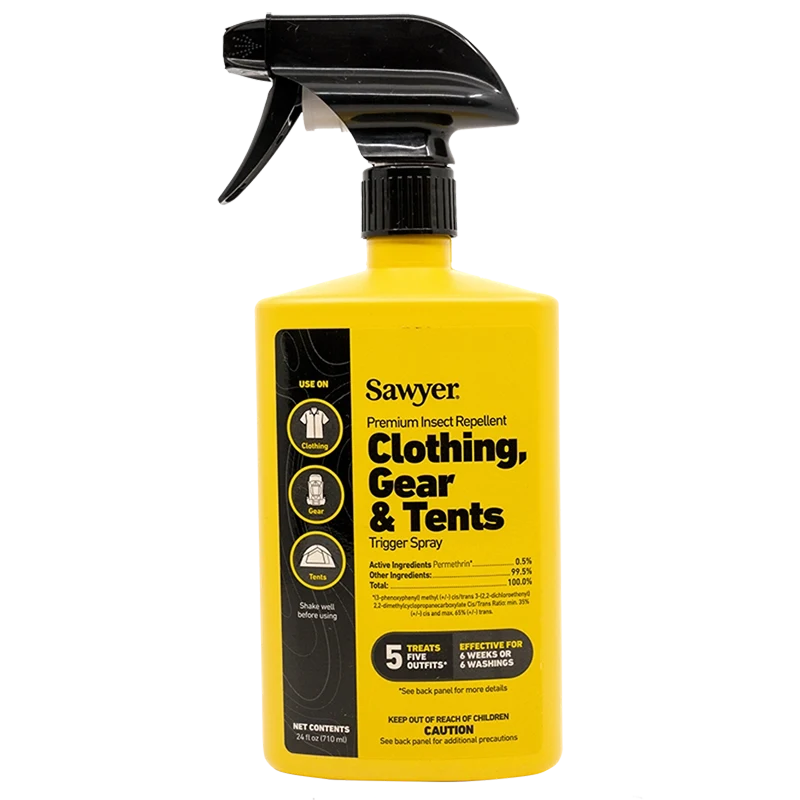
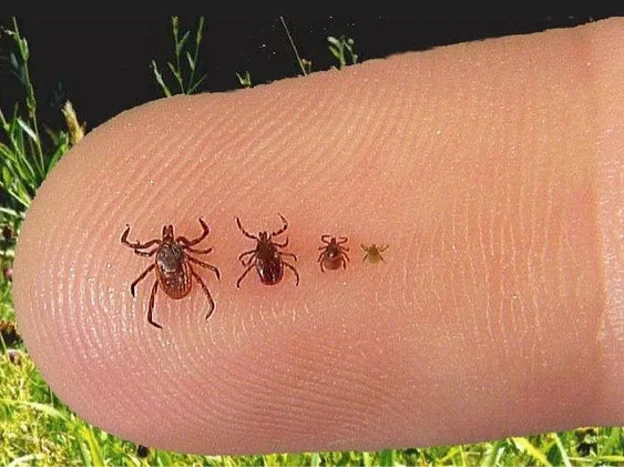
There is much you can do to protect yourself from ticks and protect yourself from getting bitten.
Watch videoGardeners have learned to put on a brave face when it comes to ticks: If you want to spend your days outside, you’re likely to encounter some. But there is much you can do to protect yourself from these pesky critters, and most studies show that people who actively protect themselves are less likely to get bitten.
You may be tempted to call a service to have your yard “sprayed for ticks,” but those pesticides don’t just kill ticks: They also come with negative impacts to people, pets, and wildlife. The most commonly used pesticides for tick management, for example, are synthetic pyrethroids, which are toxic to bees and other beneficial insects. “These are used widely in urban environments and end up at high levels in urban and suburban watersheds, where they pose risks to aquatic organisms,” explains Emily May, a conservation biologist with the Xerces Society. And the organic ones? They’re not yet proven to be effective.


Gardeners have learned to put on a brave face when it comes to ticks: If you want to spend your days outside, you’re likely to encounter some. But there is much you can do to protect yourself from these pesky critters, and most studies show that people who actively protect themselves are less likely to get bitten.
You may be tempted to call a service to have your yard “sprayed for ticks,” but those pesticides don’t just kill ticks: They also come with negative impacts to people, pets, and wildlife. The most commonly used pesticides for tick management, for example, are synthetic pyrethroids, which are toxic to bees and other beneficial insects. “These are used widely in urban environments and end up at high levels in urban and suburban watersheds, where they pose risks to aquatic organisms,” explains Emily May, a conservation biologist with the Xerces Society. And the organic ones? They’re not yet proven to be effective.
Gardeners have learned to put on a brave face when it comes to ticks: If you want to spend your days outside, you’re likely to encounter some. But there is much you can do to protect yourself from these pesky critters, and most studies show that people who actively protect themselves are less likely to get bitten.
You may be tempted to call a service to have your yard “sprayed for ticks,” but those pesticides don’t just kill ticks: They also come with negative impacts to people, pets, and wildlife. The most commonly used pesticides for tick management, for example, are synthetic pyrethroids, which are toxic to bees and other beneficial insects. “These are used widely in urban environments and end up at high levels in urban and suburban watersheds, where they pose risks to aquatic organisms,” explains Emily May, a conservation biologist with the Xerces Society. And the organic ones? They’re not yet proven to be effective.
不仅仅是一家户外用品公司

