





在Instagram上关注我们
不仅仅是一家户外用品公司

@sawyerproducts
Follow us on Instagram

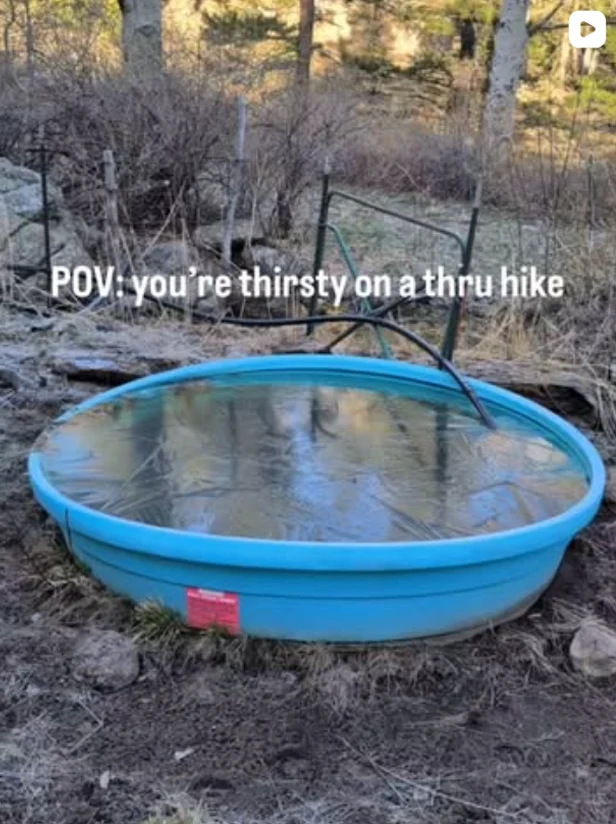


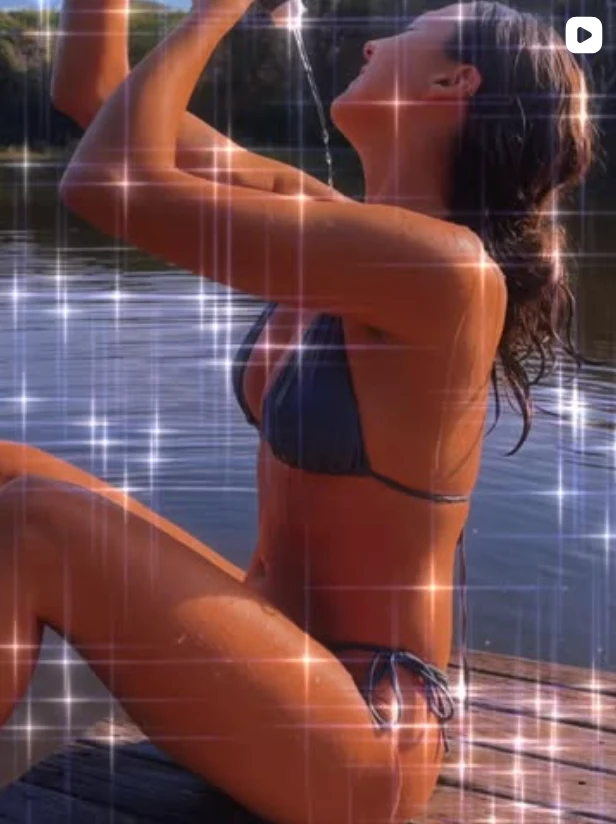
Water and food are always an important basic need for cyclists and the remote nature of some bikepacking routes makes self-reliance absolutely essential.
Watch videoWater and food are always an important basic need for cyclists, and the remote nature of some bikepacking routes makes self-reliance absolutely essential. Knowing your route can help you strike the right balance between going thirsty and hungry and lugging an unnecessarily heavy load. However, always err on the side of having too much water and food rather than too little.
Water
You’ll want to sip water throughout the day to avoid dehydration. For many cyclists this means 2 or 3 big gulps every 20 minutes, or at least 3.5 liters of water every 5 hours. In especially hot climates you may need more, but don’t go crazy; it’s actually possible to drink too much water, especially if you don’t replenish electrolytes (more on this below). If water is limited, stretch your supply further by drinking a liter every time you fill up, camping near water whenever possible, riding at cooler times of the day, and using the bare minimum for washing and cooking.
Continue reading to learn more about eating and drinking while bikepacking, written by Alissa Bell.


Water and food are always an important basic need for cyclists, and the remote nature of some bikepacking routes makes self-reliance absolutely essential. Knowing your route can help you strike the right balance between going thirsty and hungry and lugging an unnecessarily heavy load. However, always err on the side of having too much water and food rather than too little.
Water
You’ll want to sip water throughout the day to avoid dehydration. For many cyclists this means 2 or 3 big gulps every 20 minutes, or at least 3.5 liters of water every 5 hours. In especially hot climates you may need more, but don’t go crazy; it’s actually possible to drink too much water, especially if you don’t replenish electrolytes (more on this below). If water is limited, stretch your supply further by drinking a liter every time you fill up, camping near water whenever possible, riding at cooler times of the day, and using the bare minimum for washing and cooking.
Continue reading to learn more about eating and drinking while bikepacking, written by Alissa Bell.
Water and food are always an important basic need for cyclists, and the remote nature of some bikepacking routes makes self-reliance absolutely essential. Knowing your route can help you strike the right balance between going thirsty and hungry and lugging an unnecessarily heavy load. However, always err on the side of having too much water and food rather than too little.
Water
You’ll want to sip water throughout the day to avoid dehydration. For many cyclists this means 2 or 3 big gulps every 20 minutes, or at least 3.5 liters of water every 5 hours. In especially hot climates you may need more, but don’t go crazy; it’s actually possible to drink too much water, especially if you don’t replenish electrolytes (more on this below). If water is limited, stretch your supply further by drinking a liter every time you fill up, camping near water whenever possible, riding at cooler times of the day, and using the bare minimum for washing and cooking.
Continue reading to learn more about eating and drinking while bikepacking, written by Alissa Bell.
不仅仅是一家户外用品公司

